

Views: 124 Author: Site Editor Publish Time: 2026-09-07 Origin: Site


In high-stakes manufacturing environments like medical, pharmaceutical, and food-grade sectors, material selection directly dictates product viability. It heavily influences regulatory approval processes. Product recalls devastate brands. They also disrupt critical healthcare supply chains. Standard silicones serve general industrial purposes effectively. However, stringent demands for purity, consistency, and non-toxicity require specialized curing mechanisms. You simply cannot afford compromises when human health remains on the line.
This guide evaluates Platinum Silicone against alternative curing methods. We outline critical compliance benchmarks and common implementation risks. We also detail the exact criteria for selecting a custom manufacturing partner. You will learn how addition-curing solves complex extraction problems natively. We will explore physical integrity benefits, cycle time reductions, and scaling strategies. Ultimately, this resource equips you to make confident, compliant material choices for your most sensitive applications.
Uncompromising Purity: Platinum-cured silicone produces no volatile byproducts, making it the default standard for FDA and USP Class VI compliance.
Cure Inhibition Risks: Successful custom manufacturing requires strict cleanroom controls and vendor expertise to prevent platinum catalyst contamination.
Performance Stability: Offers superior clarity, tear strength, and dimensional stability in custom extrusion and injection molding applications.
Manufacturers face immense pressure today across highly regulated industries. You must eliminate extractables and leachables (E&L) in fluid transfer and sealing applications. E&L testing identifies harmful chemicals migrating from plastics into passing fluids. Regulatory bodies scrutinize these chemical migrations heavily. A minor contamination issue halts entire production lines instantly. It triggers devastating product recalls and damages brand trust permanently. This makes your initial material choice a critical risk mitigation strategy.
Upgrading to platinum-cured materials is not merely a raw material change. It acts as an insurance policy against failed compliance audits. We evaluate these material decisions based on strict success criteria. End-users demand precise dimensional consistency across thousands of parts. They require high optical clarity for visual fluid monitoring. They also insist on materials lacking any residual odor or taste. These remain non-negotiable outcomes for consumers and patients. Standard industrial rubbers often fail these exact tests. High-purity formulations bridge this gap seamlessly. You protect your brand reputation while ensuring absolute user safety.
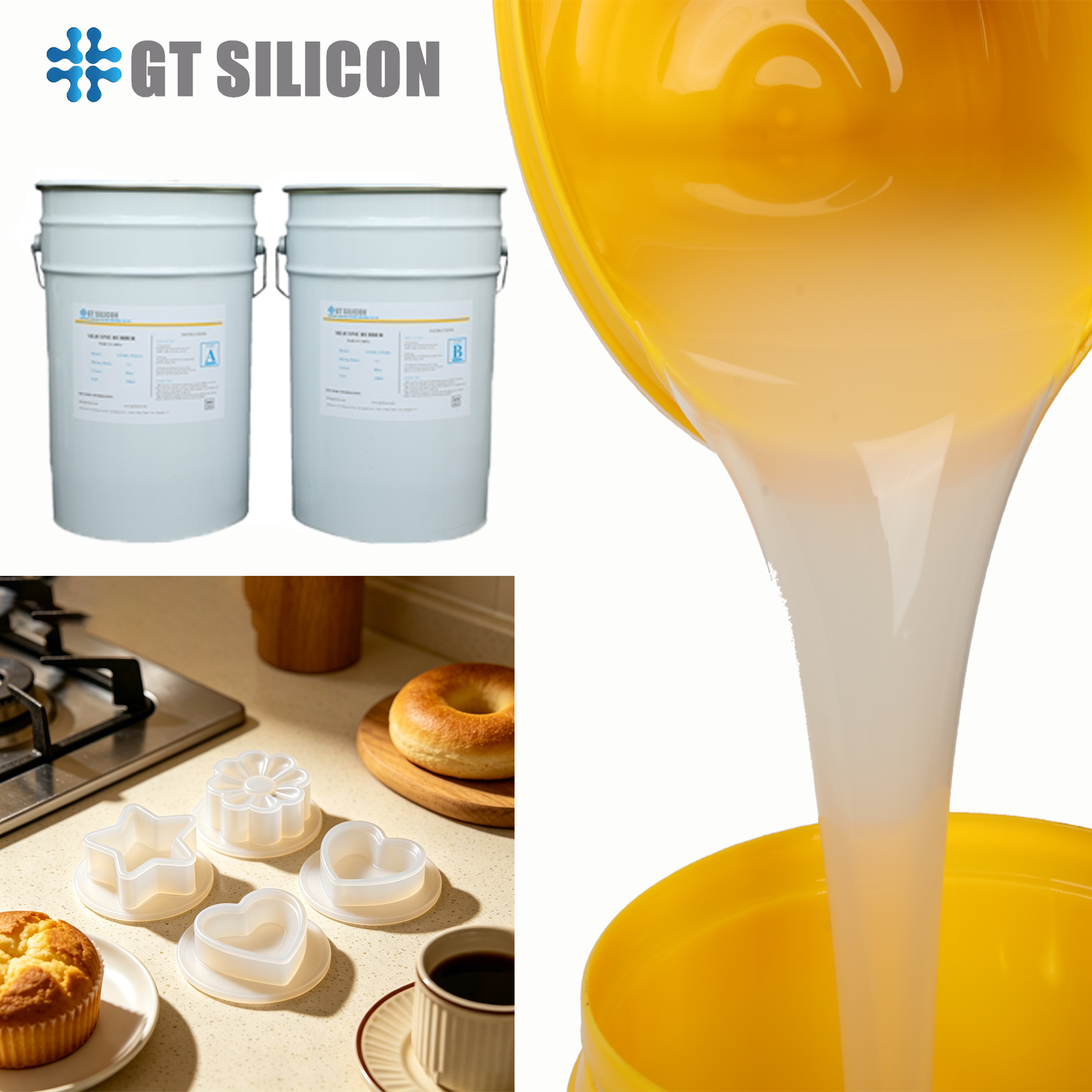
Peroxide curing is a very traditional manufacturing method. It leaves behind acidic residues known as volatile organic acids. These byproducts demand extensive post-baking processes. Manufacturers must bake parts for hours to drive off these trapped volatiles. Post-baking consumes massive amounts of factory energy. It requires specialized industrial ovens and constant monitoring. Otherwise, the material may bloom or emit foul odors over time. In contrast, Platinum Silicone relies on a precise addition-curing process. This unique chemical reaction yields absolutely zero byproducts. It completely eliminates the need for post-baking routines. You receive guaranteed immediate purity right out of the mold.
Material strength matters immensely in custom extrusion and molding. Platinum-cured elastomers offer superior tensile strength profiles. They demonstrate higher elongation rates and remarkable tear resistance. These physical traits prevent catastrophic failure in dynamic environments. For example, peristaltic pumps squeeze tubing thousands of times per hour. Weak materials crack under this continuous cyclic loading. You need materials resisting premature mechanical fatigue. Furthermore, these premium silicones resist yellowing over extended periods. They maintain pristine optical clarity for years. This transparency proves crucial for visual fluid monitoring in bioprocessing setups.
Speed and throughput define modern manufacturing success. Addition-curing systems offer much faster cure times overall. They also operate efficiently at lower temperatures compared to peroxide alternatives. Lower temperatures save significant facility energy costs. These faster chemical reactions translate directly to optimized custom molding cycles. You can process more parts per shift comfortably. Manufacturers achieve higher throughput without sacrificing material quality. We see these efficiency gains particularly in liquid injection molding (LIM) applications.
Comparison: Platinum-Cured vs. Peroxide-Cured Elastomers
Curing Method | Byproducts Generated | Post-Curing Required | Optical Clarity | Typical Applications |
|---|---|---|---|---|
Platinum Addition Cure | None | No | Excellent (Non-yellowing) | Medical, Pharma, Food-Grade |
Peroxide Free-Radical | Volatile Organic Acids | Yes (Extensive) | Moderate (Prone to yellowing) | General Industrial, Automotive |
Biopharmaceutical production demands absolute sterility everywhere. Facilities manufacture vaccines and complex biologics using sensitive equipment. These high-value fluids require zero contamination risk. Manufacturers rely heavily on peristaltic pump tubing and sanitary gaskets. Platinum-cured materials excel in these precise environments. They pass rigorous Extractables and Leachables (E&L) testing easily. These tests ensure dangerous chemicals never migrate into drug products. USP Class VI certification remains the global gold standard. It mandates strict in-vivo biological reactivity testing for safety. Choosing Platinum Silicone ensures seamless regulatory approval for fluid handling devices.
Food and beverage processing presents unique regulatory challenges. Dairy products absorb external flavors very easily. Materials must be completely non-tainting to protect flavor profiles. They cannot transfer any odor or taste to the passing consumables. Regulatory bodies like the FDA set strict direct-contact safety guidelines. 3-A Sanitary Standards govern dairy processing equipment specifically. Premium silicones meet these criteria perfectly every time. They also highlight incredible performance under repeated CIP/SIP cycles. Clean-In-Place and Sterilize-In-Place routines use harsh caustic chemicals and boiling steam. The material maintains its physical integrity despite this continuous daily abuse.
Wearable health technology represents a rapidly growing market. Skin-contact safety is paramount for these consumer devices. Patient monitors attach directly to sensitive human skin. ISO 10993 standards govern biocompatibility for all medical devices globally. Platinum-based elastomers pass cytotoxicity and skin sensitization tests effortlessly. They do not cause allergic reactions or skin irritation. Furthermore, these materials support precision custom overmolding capabilities. Engineers can mold soft silicone directly onto rigid plastic electronics. This creates seamless, waterproof seals for durable patient monitoring devices.
Best practices for medical device material selection include:
Verify ISO 10993 biocompatibility data before starting any prototyping.
Specify optical clarity requirements early for visual monitoring features.
Design components minimizing sharp internal corners to improve mold flow.
Evaluate intended sterilization methods against known material temperature limits.
Addition-curing remains highly sensitive to environmental contaminants. Industry professionals call this phenomenon "cure inhibition" or platinum poisoning. Exposure to certain chemicals can permanently halt the curing process. Culprits include amines, sulfur compounds, tin complexes, and certain latex products. Even airborne sulfur from nearby rubber mixing can ruin batches. If contaminated, the material remains sticky and completely uncured. This ruins entire production runs instantly. You must enforce strict preventative measures constantly. Manufacturers use dedicated, isolated production lines exclusively. They prevent cross-contamination by banning latex gloves on the factory floor completely.
Liquid Silicone Rubber (LSR) exhibits unique, water-like flow characteristics. It flows easily into tiny crevices under pressure. This low viscosity requires extremely high-precision steel molds. Standard rubber molds will flash heavily during injection. Flash refers to excess material seeping between mold halves. To prevent this, toolmakers must machine molds to microscopic tolerances. Steel molds require diamond polishing for perfect surface finishes. They also incorporate advanced vacuum evacuation systems. These systems pull air from the mold cavity before injection starts. This ensures perfect part fills and tight dimensional tolerances.
Prototyping often starts with room temperature vulcanizing (RTV) materials. They are cheap and easy to pour into soft molds. They cure at room temperature quite slowly. RTV materials suit low-volume prototyping perfectly. However, scaling up requires a transition to liquid injection molding (LIM). LIM demands significant capital investment in hard steel tooling. It also requires specialized mixing and pumping equipment. You must assess this transition carefully alongside your partner. Validate your designs thoroughly during the early RTV stage. Once locked in, LIM provides unmatched high-volume production speed.
Common mistakes during production scaling include:
Using the same mixing equipment for tin-cured and platinum-cured batches.
Underestimating the high tooling costs required for flash-free LSR molding.
Failing to control factory humidity and ambient temperature precisely.
Overlooking the shorter shelf life of uncured raw silicone materials.
You cannot manufacture medical-grade components in a dirty environment. Airborne particulates ruin high-purity materials instantly. Therefore, ISO Class 7 or 8 cleanroom manufacturing is a strict prerequisite. These controlled environments filter air aggressively using HEPA systems. Positive air pressure keeps outside contaminants from entering the room. They regulate temperature and humidity levels precisely. When auditing a partner, inspect their cleanroom protocols closely. Ensure workers wear proper non-shedding garments and hairnets. A pristine facility guarantees the physical purity of your final Platinum Silicone components.
Regulatory compliance requires meticulous documentation at every step. You must evaluate vendors on their batch-to-batch consistency. They should provide raw material certifications freely. We often call these Certificates of Analysis (CoAs). Strict quality management systems are absolutely non-negotiable here. Look for ISO 9001 and ISO 13485 (medical device) factory certifications. Traceability means tracking every component back to its raw chemical batch. Digital records prove compliance instantly during audits. If a field failure occurs, this data isolates the root cause quickly.
Successful molding starts long before resin hits the press. Partner with a manufacturer possessing strong in-house engineering capabilities. They should offer comprehensive tooling design services locally. Ask if they perform mold flow analysis software simulations. This software predicts how material behaves inside the mold cavity. It identifies potential air traps or weld lines early. Resolving these issues digitally saves expensive tooling reworks later. Additionally, look for automated secondary operations. Robotic part removal and automated slitting reduce human handling risks significantly.
High-purity elastomers demand specialized handling protocols and pristine environments. Despite these hurdles, they remain the premier choice for critical industries. Platinum Silicone delivers unmatched regulatory compliance and patient safety. It eliminates volatile byproducts entirely during the curing process. It guarantees superior optical clarity and long-lasting mechanical resilience. Standard industrial rubbers simply cannot meet these stringent regulatory benchmarks. You must treat this material selection as a vital risk mitigation strategy.
Take proactive steps today to secure your manufacturing supply chain. First, request detailed material data sheets (MDS) from prospective vendors. Evaluate their chemical formulations closely. Second, schedule comprehensive physical audits of their cleanroom capabilities. Finally, initiate a design-for-manufacturability (DFM) consultation early in your design phase. Early engineering collaboration ensures your next product launch is compliant, reliable, and commercially successful.
A: The primary driver is the high cost of the platinum catalyst itself. Furthermore, processing these premium materials necessitates highly controlled, clean manufacturing environments. You must invest in precise steel tooling and dedicated ISO-certified cleanrooms. These stringent infrastructure and handling requirements increase operational overhead. This reflects directly in the final custom component pricing.
A: Yes, it natively supports rigorous sterilization methods required by healthcare sectors. Components easily endure repeated autoclave steam cycles and gamma irradiation processes without degrading. However, exact temperature limits and cycle thresholds depend heavily on the specific compound formulation used. Always verify precise thermal limits with your chosen material supplier.
A: Cure inhibition is a catastrophic chemical reaction failure. It happens when contaminants like sulfur, amines, or tin complexes poison the platinum catalyst. The material remains permanently sticky and uncured. You avoid this by utilizing dedicated tooling, banning latex gloves, and enforcing rigorous cleanroom isolation protocols.
A: Uncured addition-cure materials generally possess a shorter shelf life than peroxide systems. They typically last 3 to 6 months in storage. This duration depends heavily on ambient storage temperature. Manufacturers must practice strict inventory management and climate control to prevent premature cross-linking before molding occurs.


