

Views: 0 Author: Site Editor Publish Time: 2026-11-21 Origin: Site


High-volume epoxy resin casting carries a hidden operational cost: premature mold failure. When casting large or complex parts, the exothermic heat generated by curing epoxy places immense stress on the mold cavity. Combined with the chemical aggressiveness of the resin itself, inferior mold materials rapidly break down. This degradation manifests as surface dulling, dimensional warping, and micro-tears. Consequently, production teams spend excessive hours on post-processing labor, sanding, and polishing parts that should have demolded with a pristine finish.
To eliminate these bottlenecks, production facilities must upgrade their tooling materials. Platinum Silicone for Epoxy Resin Molds stands as the industry standard for high-fidelity, durable resin casting. It offers unmatched thermal stability and chemical resistance, ensuring molds maintain their structural integrity over dozens of pours. However, successfully integrating this material requires a strict evaluation of technical specifications, safety certifications, and supplier reliability before scaling up your production lines.
Superior Longevity: Platinum-cured silicone withstands the thermal and chemical stress of epoxy resin significantly better than tin-cured alternatives, drastically lowering the cost-per-pull over the mold's lifespan.
Zero Shrinkage: Unlike tin-cured silicones, platinum systems exhibit virtually zero shrinkage, ensuring exact dimensional accuracy for interlocking or precision resin parts.
Cure Inhibition Risks: Platinum silicone is highly sensitive to contaminants (like sulfur, tin, and certain 3D printing resins) during the curing process, requiring strict master preparation protocols.
Safety and Purity: Platinum silicone is inherently non-toxic, odorless, and often FDA-compliant, eliminating harmful VOCs on the production floor and ensuring safe handling for workers.
Supplier Scalability: Transitioning from hobbyist kits to bulk RTV-2 silicone rubber orders requires vetting suppliers for batch-to-batch consistency, shelf-life guarantees, and technical support.
A production-grade epoxy mold must meet strict success criteria to remain viable on a busy shop floor. It requires high tear resistance to survive the mechanical strain of demolding rigid plastic parts. It demands chemical inertness to prevent the epoxy from bonding to the mold walls. It needs thermal stability to endure repeated exothermic heating cycles without warping. Finally, it must guarantee worker safety by minimizing exposure to harsh fumes. Evaluating these criteria quickly reveals the limitations of traditional mold-making materials when paired with modern epoxy systems. When you pull a cured epoxy part from a mold, you are fighting friction and vacuum pressure. If you use a cheap silicone, the mold will tear right down the middle. We see this happen all the time in facilities that try to cut corners on tooling materials.
Deep-pour epoxies generate massive heat during their curing phase. In large-volume castings, internal temperatures can easily exceed 150 degrees Fahrenheit, and sometimes push past 180 degrees depending on the ambient room temperature and the mass of the resin. Tin-cured silicones degrade rapidly under these conditions. The heat accelerates the evaporation of the tin catalyst, leading to embrittlement, surface cracking, and a complete loss of the glossy finish required for clear resin casts. Platinum Silicone Rubber handles these peak exothermic temperatures effortlessly. The platinum curing mechanism creates a highly stable polymer matrix that resists thermal breakdown. This ensures the mold cavity retains its precise texture and high-gloss finish, even after repeated exposure to aggressive resin chemistry.
Multi-part molds and interlocking resin components require absolute dimensional accuracy. Tin-cured systems suffer from evaporative shrinkage. As the mold ages, byproducts of the condensation cure process evaporate, causing the mold to shrink by up to two percent. This shrinkage ruins the alignment of complex registration keys. The top half of the mold becomes slightly smaller than the bottom half. When you pour the epoxy, the resulting cast will have massive seam lines and shifted geometry. You will spend hours sanding and grinding the part to fix the offset. Platinum silicone undergoes an addition cure process. It produces no evaporative byproducts, resulting in a negligible shrinkage rate of less than 0.1 percent. This dimensional stability is mandatory for engineering prototypes, mechanical parts, and multi-piece assemblies where tolerances are tight.
Performance Metric | Tin-Cured Silicone | Platinum-Cured Silicone | Impact on Epoxy Casting |
|---|---|---|---|
Shrinkage Rate | Up to 2.0% over time | Less than 0.1% | Platinum ensures multi-part molds align perfectly without shifting. |
Thermal Resistance | Low to Moderate | Extremely High | Platinum survives the exothermic heat of deep-pour epoxies without cracking. |
Chemical Inertness | Degrades quickly against amines | Highly resistant | Platinum maintains a glossy surface finish for dozens of pulls. |
Cure Mechanism | Condensation (releases alcohol) | Addition (no byproducts) | Platinum molds do not sweat or warp as they age on the shelf. |
Shop floor safety directly impacts operational efficiency. Tin-cured catalysts often emit strong, unpleasant odors and contain volatile organic compounds. Prolonged exposure requires heavy ventilation and strict respiratory protection protocols. Platinum silicone systems offer a vastly superior safety profile. They are inherently non-toxic, completely odorless, and free from harmful emissions. Many formulations meet FDA compliance standards for food and skin safety. Implementing platinum systems improves the working environment, reduces the need for specialized ventilation equipment, and simplifies safety compliance across the production facility.
Procurement teams often hesitate at the higher upfront material expense of platinum systems compared to tin-cured alternatives. However, evaluating the return on investment requires looking at the cost per pull rather than the initial bucket price. A tin-cured mold might survive fifteen epoxy casts before surface degradation forces a replacement. A properly maintained platinum mold can easily yield fifty or more pristine casts. Furthermore, the superior surface finish of platinum molds eliminates hours of manual sanding and polishing on the finished epoxy parts. When factoring in extended mold lifespan, reduced defect rates, and lower post-processing labor, platinum silicone delivers a significantly lower total production expense.
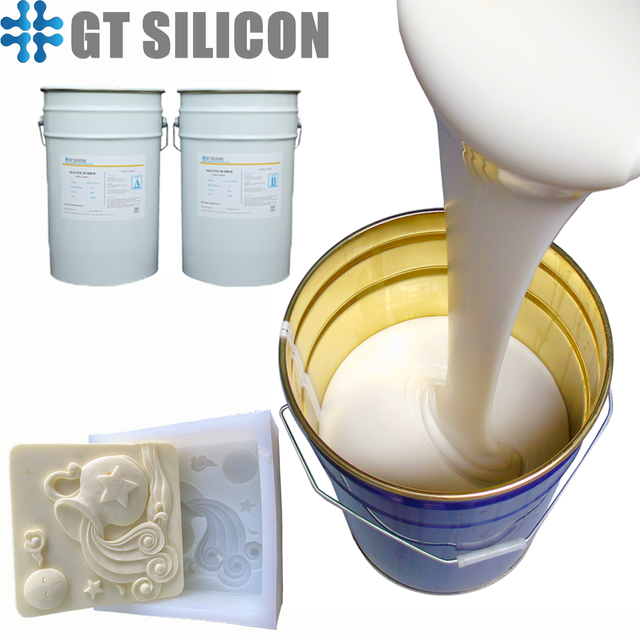
Selecting the correct durometer, measured on the Shore A scale, dictates how the mold will perform during the demolding process. The hardness must match the geometry of the specific epoxy part being cast. Using Custom Silicone Mold Making Materials allows facilities to tailor the flexibility of the mold to exact production requirements. You must balance the flexibility needed to stretch over deep undercuts against the rigidity required to keep flat surfaces perfectly level.
Shore A Hardness | Flexibility Level | Recommended Epoxy Application | Demolding Characteristics |
|---|---|---|---|
10A - 15A | Highly Flexible | Intricate figurines, parts with severe undercuts, delicate details. | Stretches easily over complex protrusions without tearing. Requires a rigid support shell for large pours. |
20A - 25A | Medium Flexible | Standard resin art, jewelry molds, medium-sized mechanical parts. | The industry standard. Offers a perfect balance of stretch for demolding and rigidity for shape retention. |
30A - 40A | Firm to Rigid | River tables, large block molds, flat architectural panels. | Resists bowing under the heavy weight of large epoxy volumes. Very little stretch; requires simple geometries. |
Physical durability relies on two primary metrics: tear strength and elongation at break. Tear strength measures the material's resistance to a pre-existing cut expanding under tension. Elongation at break measures how far the silicone can stretch before snapping. High tear strength is critical for epoxy molds. Cured epoxy is a rigid, unyielding plastic. Forcing a rigid part out of a flexible mold exerts massive mechanical stress on the silicone walls. If you have a sharp corner on a resin casting, that corner acts like a knife against the silicone when you pry it out. If the tear strength is too low, the mold will develop micro-fissures in high-stress areas like corners and undercuts. These fissures quickly propagate into catastrophic tears, rendering the mold useless after just a few cycles.
The working viscosity of unmixed silicone components determines how easily the material flows over the master model. Low-viscosity systems flow like thin syrup, naturally seeking out fine details and allowing trapped air bubbles to rise to the surface and pop independently. High-viscosity systems are thicker, often requiring mechanical assistance to ensure proper surface contact. For high-viscosity platinum silicones, vacuum degassing is mandatory.
You must place the mixed silicone inside a vacuum chamber to pull out the air folded into the mixture during the stirring process. Ensure the mixing bucket is only one-third full. As the vacuum pump pulls the air out, the silicone will expand rapidly, rising to the top of the container. If the bucket is too small, the silicone will overflow and ruin your equipment. After the material crests and falls back down, leave it under vacuum for another two minutes. Release the valve slowly to let air back in. Failing to degas thick silicone results in surface bubbles resting against the master model. These bubbles transfer directly to the final epoxy cast as ugly, raised nodules.
Silicone systems utilize different mix ratios based on their intended application. A 1:1 by volume system prioritizes speed and ease of use. Workers can measure components quickly without specialized scales, reducing the chance of mixing errors on a fast-paced shop floor. Conversely, a 10:1 by weight system is common in specialized industrial applications requiring precise mechanical properties. These systems demand accurate digital scales and meticulous attention to detail.
When preparing the silicone, mixing technique dictates the success of the mold. You cannot simply stir the two components together and pour. You must scrape the sides and bottom of the mixing bucket repeatedly. Unmixed catalyst clings to the plastic walls. If you pour that unmixed material onto your master model, it will never cure. We recommend the double-pour method. Mix the silicone thoroughly in the first bucket, then pour the entire batch into a second, clean bucket. Mix it again for another minute. This guarantees complete homogenization.
Visual indicators heavily influence mixing accuracy. Using pigmented components, such as a translucent base paired with a solid blue catalyst, visually guarantees a homogenous mix. Workers simply stir until the material achieves a uniform, streak-free color. Furthermore, coloring custom mold materials allows production managers to color-code different mold iterations. You can assign blue molds to high-temperature resins, red molds to standard epoxies, or use color to distinguish between different production batches and resin capacities.
The greatest risk when implementing platinum systems is cure inhibition. This occurs when the platinum catalyst comes into contact with specific chemical compounds that neutralize its reactive properties. The platinum catalyst is highly reactive. If it finds sulfur or amines on the surface of your master model, it bonds with them instead of the silicone base. When inhibition happens, the silicone fails to cross-link properly. Instead of curing into a solid, flexible rubber, the material remains a sticky, gooey mess at the exact point of contact with the contaminant. This usually happens right at the interface of the master model, ruining the mold surface and requiring a tedious, messy cleanup process.
Preventing inhibition requires strict control over the materials present in your workspace. The primary offenders include sulfur-based modeling clays, which instantly kill the platinum cure. Tin-cured silicones, even fully cured ones, release byproducts that cause severe inhibition. Latex gloves and certain rubber bands contain sulfur compounds that transfer to the model through simple handling. Amines found in certain epoxy adhesives also pose a threat. Most notably, UV-cured SLA 3D printing resins used for rapid prototyping are notorious for causing inhibition due to the photoinitiators left on the printed surface.
Contaminant Source | Chemical Culprit | Mitigation Strategy |
|---|---|---|
SLA 3D Printed Models | UV Photoinitiators / Uncured Resin | Wash thoroughly in IPA, cure fully under UV light, apply acrylic barrier coat. |
Modeling Clays | Sulfur Compounds | Switch exclusively to sulfur-free, wax-based modeling clays. |
Disposable Gloves | Latex | Mandate the use of nitrile gloves for all mold-making procedures. |
Old Molds / Work Surfaces | Tin Catalyst Residue | Isolate workspaces. Never pour platinum silicone on a tin-cured surface. |
Multi-part molds often require pouring fresh silicone over previously cured silicone to create mold jackets or complex assemblies. When mixing silicone types, you must follow the strict one-way layering rule. Tin-cured silicone can successfully cure when poured over a fully cured platinum silicone base. The platinum material is inert and will not interfere with the tin catalyst. However, platinum silicone will never cure atop a tin-cured layer. The residual tin catalyst will immediately inhibit the fresh platinum mixture. You cannot mix the two systems interchangeably; the workflow only operates in one direction.
Isolating the master model from the liquid silicone is the only way to guarantee a successful cure over questionable materials. You must implement strict master preparation protocols on the shop floor.
Clean the master model thoroughly with isopropyl alcohol to remove surface oils, workshop dust, and residual 3D printing resin.
Apply a high-quality barrier coat. Clear acrylic sprays work exceptionally well for sealing porous surfaces like wood or 3D printed plastics.
Spray a light, even layer of mold release agent and brush it out to prevent pooling in the fine details of the model.
Mix a small 10-gram batch of silicone and apply it to an inconspicuous area of the sealed master model.
Wait the full cure time and check for tackiness before committing to a large, expensive mold pour.
Transitioning from small prototype runs to continuous production requires absolute material consistency. You need a Silicone Rubber Mold Making Supplier that guarantees batch-to-batch uniformity. Variations in viscosity disrupt pouring workflows. Fluctuations in cure time ruin production schedules. Inconsistencies in final durometer lead to unpredictable demolding experiences. When evaluating a supplier for RTV-2 Silicone for Epoxy Molds, request documentation on their quality control tolerances. Review their lot numbers and Certificates of Analysis (CoA). Reliable mix ratios and predictable curing behaviors directly impact production speed and minimize error rates on the shop floor.
Scaling up operations means moving to drum or tote quantities. Vetting a supplier for Bulk RTV-2 Silicone Rubber Orders requires a deep dive into their quality assurance processes. Review their material certifications to ensure compliance with industry standards. Shelf-life transparency is critical. Platinum silicone typically has a shelf life of twelve months. If the supplier sends you nine-month-old stock, you risk material failure before you even open the drum. Address the logistical considerations of temperature-controlled shipping and storage. Platinum silicone is sensitive to extreme temperature fluctuations during transit, which can prematurely age the unmixed components.
Off-the-shelf materials do not always meet the demands of highly specialized production lines. A premium supplier provides custom formulation services. They can adjust the pot life to give your team more working time for massive 50-gallon pours. They can tailor the viscosity to match your specific automated injection equipment. They can provide custom color matching for your internal tracking systems. Beyond formulations, accessible technical support is non-negotiable. When your team encounters unexpected cure inhibition or demolding issues at scale, you need direct access to polymer chemists and technical representatives who can troubleshoot the problem quickly and keep your production line moving.
Request comprehensive Technical Data Sheets (TDS) from prospective suppliers to compare viscosity, tear strength, and elongation metrics before ordering.
Order small sample kits to conduct patch tests, verifying chemical compatibility between the platinum silicone, your specific epoxy resin, and your master model materials.
Audit potential suppliers to confirm their capacity for bulk order fulfillment, strict inventory rotation, temperature-controlled shipping, and custom formulation support.
Standardize your shop floor master preparation protocols, ensuring all 3D printed parts and porous models are properly sealed and released before mold making begins.
A: While possible, tin-cured silicone degrades rapidly under the chemical and thermal stress of epoxy resin. The exothermic heat accelerates the breakdown of the mold surface. This results in a shorter lifespan, loss of glossy finish, and dimensional shrinkage over time.
A: This is known as cure inhibition. It happens when the platinum catalyst reacts with contaminants like sulfur, latex, amines, or certain UV 3D printing resins present on the master model. The chemical reaction neutralizes the catalyst, preventing the silicone from curing.
A: The ideal Shore A hardness depends on the model. Complex models with deep undercuts require softer silicone (10A-20A) for easy stretching. Simple, blocky shapes or large flat pours benefit from firmer silicone (30A-40A) to maintain structural integrity and prevent bowing.
A: Mold lifespan varies based on the aggressiveness of the epoxy chemistry and the mold's tear strength. A high-quality, properly maintained platinum silicone mold can typically yield 30 to 50 or more pulls before showing signs of surface degradation or detail loss.
A: Yes, vacuum degassing is highly recommended for platinum silicone. It removes trapped air introduced during the mixing process. This ensures a flawless, bubble-free surface on the mold cavity, which translates directly to a perfect finish on the final epoxy cast.
A: No. The residual tin catalyst in the old mold will cause severe cure inhibition in the new platinum silicone, preventing it from curing at the interface. However, you can pour tin-cured silicone over a fully cured platinum mold for a multi-part assembly.


